
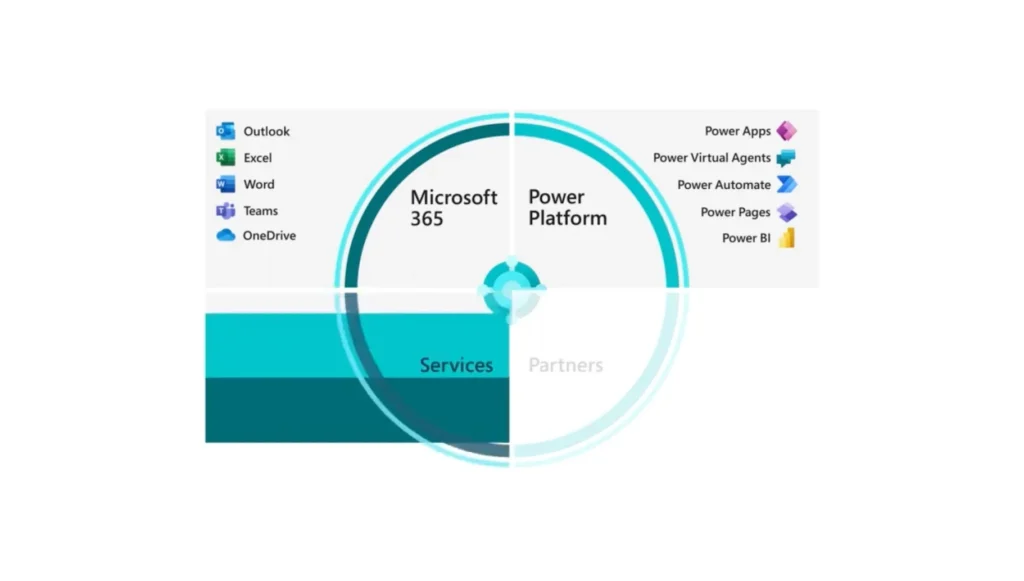
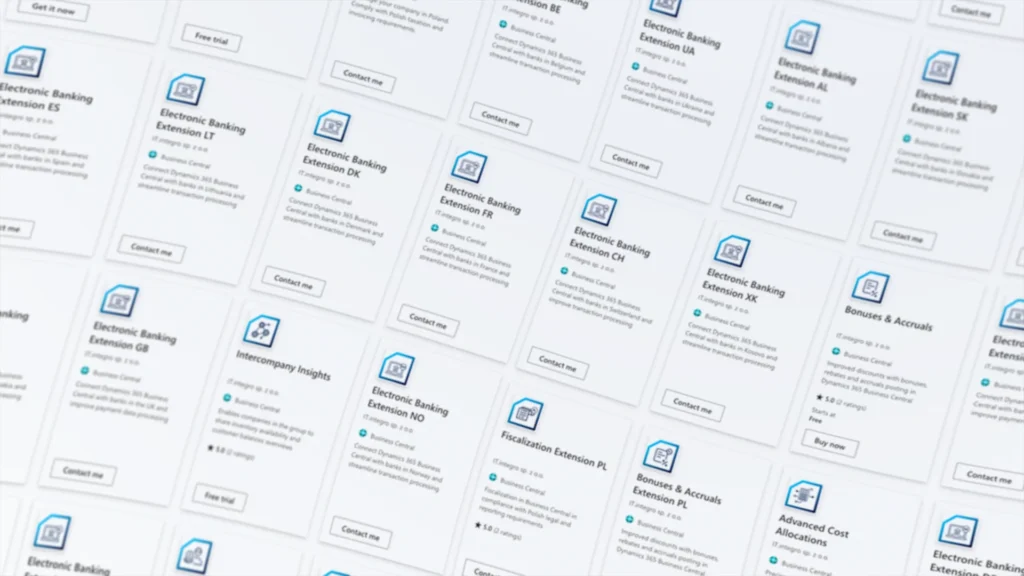
Broadly speaking, effective business management encompasses the following main areas
Monitoring business processes, cost optimization, striving for efficiency gains and competitive advantage, as well as increasing gross profit and market share. Finding the right IT solution, the one that supports all processes and is easy to adjust to evolving business demands, is essential.

What is an ERP system?
In most companies, various departments make use of various independent programs to handle everyday, routine tasks. Different software is adopted by sales team and customer service and different solutions support warehouse and manufacturing processes. Separate databases collect information from each business area, causing ineffective management and data inconsistency.
Organizations operating without an ERP system face the following problems:
- lack of data consistency,
- hindered cooperation between departments,
- high incidence of errors,
- lack of automation of repetitive processes,
- rare data synchronization – work based on outdated data,
- the need to handle the flow of data between independent solution.
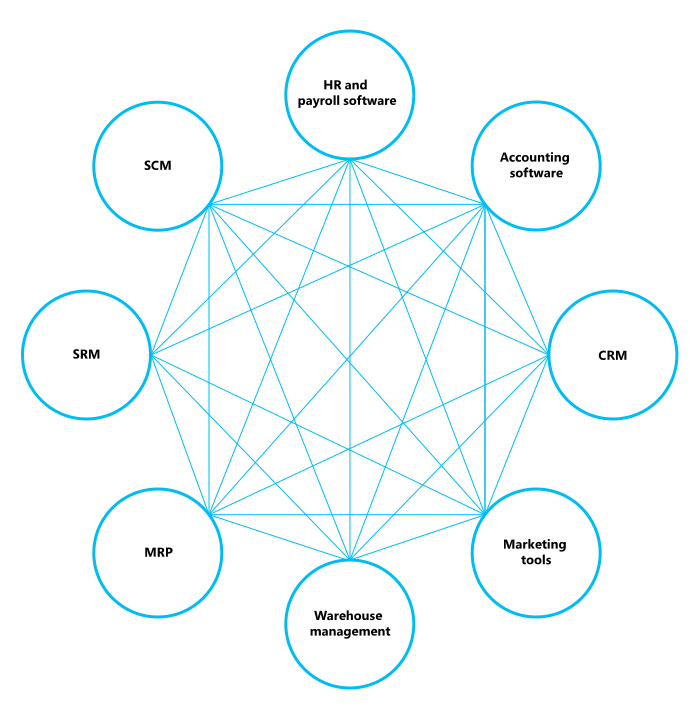
An ERP system (Enterprise Resource Planning) is a resource planning and management software. The solution operates based on a single database collecting and processing information from all areas of business – e.g., sales and customer service, manufacturing, logistics and warehousing, finance and accounting etc.
The solution covers features necessary to handle all mentioned processes. This means that salespeople, accounting staff and warehouse employees use the same solution, with different permission sets granted. As all data is stored in one location, all users have access to standardized, up-to-date information.
The flow of information between teams and departments is smooth and seamless, as many processes can be performed automatica
When implementing an ERP system in your organization, instead of adopting separate programs for various departments, you get a solution which allows you to effectively manage your business by organizing, monitoring and optimizing all processes.


ERP System integrates all areas of the enterprise:
Finance

Services

Logistics

HR and Payroll

Production

Fixed Assets

Warehouse

Reporting and Analytics

Sales

Administration

Customer Service

Human Resources Management

ERP vs. MRP
Modern ERP systems provide advanced features that rely on machine learning and powerful business intelligence tools. However, the heart of today’s ERP solutions is MRP (Material Requirements Planning) software, developed after World War II and intended for the management of manufacturing processes. MRP delivers tools to effectively handle product structures, stock levels, as well as ongoing execution of orders and production planning.
With the development of computers, MRP capabilities were expanded and enhanced to ultimately cover all areas of business operation, evolving into ERP software. The systems we are currently working on are ERP 4.0 solutions.

Functionalities within the ERP system
What functionality should we pay close attention to when selecting the ERP software? Obviously, it depends on the company’s business profile. First, it is crucial to identify expectations – specific objectives to be achieved through the ERP implementation, as well as key areas of activity, such as production or distribution. Taking this into account, the focus should be placed on functions that are vital for the successful execution of the company’s business strategy.
By implementing the ERP system, you can pursue the following objectives:
- Improved manufacturing efficiency with cost reductions, automation and adoption of powerful planning tools;
- Streamlined finance management – an ERP system can significantly facilitate the execution of repetitive tasks, minimize the risk of errors and provide insight into critical data;
- Optimized supply chain and reduced storage costs while ensuring continuous access to products and services, as part of the offer;
Enhanced customer service standards – with the right software you can collect information concerning customers, their purchase history, shopping activities and preferred touch points. That kind of insight helps us gain a better understanding of our customers’ needs, provide excellent customer service and build their loyalty.
When is the right time to implement an ERP system?
Before choosing the ERP system, business owners are faced with the question of when is the right time to implement an advanced IT system and how the company can benefit from this investment. Explore the reasons which make companies decide to implement an ERP system.
Organizations use inefficient software

The currently used solutions do not keep pace with the company’s growth. What they do is provide support for the processes at a more basic level, thus many actions must be carried out manually. An ERP system is the most advanced and complex software designed to manage small, medium and large businesses.
Manual process handling
If the currently used software prevents or hinders the automation of processes, it is reasonable to take a closer look at the ERP system capabilities. As all data is stored in a single database, the information flow between all business areas is efficient and uninterrupted.
High inventory costs

Resource and material management is one of the greatest challenges in business optimization. On the one hand, it is necessary to ensure that all resources or materials required for production are available. However, their storage costs are often very high. An ERP system, equipped with advanced technologies (e.g. artificial intelligence), can effectively monitor stock levels and forecast future demand.
Poor liquidity management
Cash flow monitoring is the cornerstone of business management. What every company needs is a powerful tool to support financial management and optimal handling of payables and receivables. ERP systems with integrated financial modules will streamline all processes and facilitate the cooperation between financial department and other teams.
Lack of reliable information
Many business management systems fail to collect relevant data and lack effective reporting tools. Key data is stored in multiple databases, making analyses difficult to perform. In companies using ERP systems all data is integrated and processed in a single location, resolving duplication issues. Additionally, they are equipped with reporting and analytical tools.
The company is growing
When the company is growing rapidly, it is advisable to rethink the future structure of the organization and consider implementing an integrated IT system. By implementing an ERP system you foster the development of your business. The tool supports the comprehensive management of the entire organization. As the company’s needs evolve, you can extend the ERP software and adjust it to the ever-changing market demands.
Companies have to deal with multiple errors
Management based on inefficient tools leads to chaos and frequent errors. These, in turn, may generate costs and cause a considerable reduction in service quality and customer loss. With an ERP system, you can organize and monitor all processes within the company. This will allow users to identify and limit the problems.
Digital transformation
If digital transformation is part of the company’s development strategy, ERP system implementation will definitely streamline the process.
Go to articleHow much does the ERP system cost?
The overall cost of an ERP system depends on a number of factors – individual needs of your business. The valuation takes into account some fixed components but requires a more detailed analysis as well. Small businesses decide to implement core system functionality without developing it further, creating extensive databases or installing additional features and external modules. In such a case, they don’t have to invest heavily in the IT infrastructure. However, for bigger organizations, implementing an ERP software in all business areas may take several months and entail higher costs.
What determines the cost of an ERP system?
The price of an ERP software license
The cost of license is relatively easy to determine at the very beginning of the valuation procedure. Currently, the ERP software is available in several licensing models and the choice of the right variant depends on the number of users. For the largest companies, the most profitable investment is the purchase of license (subscription or perpetual) for unlimited number of users. With the perpetual licensing model, the initial investment cost is high, but there are no further fixed costs, as with the monthly fee. However, not every organization can afford it.
The monthly payment is frequently chosen by organizations with insufficient funds to finance such a costly investment. The monthly-paid license enables customers to choose a specific number of licenses, for each named user. It is the most popular option among small and medium company owners. With a small number of users it is more profitable to choose this licensing model. The initial costs can be reduced and monthly fees depend on the number of users within the organization. As the company evolves, the number of purchased licenses can be increased.
ERP system implementation
The purchase of license itself is just the beginning. The ERP software is implemented by the solution provider – the manufacturer or the implementation partner.
The ERP implementation project must include the following stages:
- Diagnosing needs and selecting the relevant ERP system version (functionality and license) – traditional (on-premises), hybrid or cloud-based,
- Analyzing business processes within the organization and defining the implementation scope,
- System deployment,
- Adjusting the functionality to specific business needs that were identified at earlier stages,
- Testing the system with users, user training, data migration and system go-live,
- Software implementation audit.
For successful implementation, it is crucial to carry out a comprehensive and reliable analysis. Based on its results, further steps can be planned. Failures often result from analysis errors, that’s way it may take several weeks or months to perform it thoroughly.
The implementation price is the most difficult ERP project component to estimate. At the outset of the project, the cost is hard to determine as further analysis may indicate that the actual business needs differ from the initial project assumptions or they may change during the lifetime of the project.
To properly define the implementation scope and its valuation, effective communication between implementation team on the solution provider’s part and decision makers on the end user’s part is a must. The two-way information flow and trust are the key to successful implementation.
The functionality scope
ERP systems have various versions, depending on the selected functionality scope. They can be divided into modules suited for specific operation areas (e.g., finance, production, etc.), but they are also available in simplified models – basic and advanced. The more features the company needs, the higher the final cost is.
IT infrastructure
The software must be installed on the company’s servers or in the public cloud. Depending on the chosen option, costs and spreading the investment over time will vary. The organization willing to use their own IT resources must build or develop the existing IT infrastructure and adjust it to the requirements of the ERP installation. High initial costs are not the end of the story. In addition, the company has to hire experts responsible for supporting and maintaining the server room.
Cloud computing, the second option, is gaining more and more popularity. ERP software can be installed on hosted, external IT resources. In such a case, the company does not need to have their own servers, but pays a monthly fee for consumed resources. ERP systems can be also purchased in the software as a service (SaaS) model.
Post-implementation support
After completing the ERP implementation project, the provision of post-deployment support services is essential. It is a separate cost that must be taken into account when choosing the relevant IT solution.
Post-implementation support includes the following services:
- software updates,
- enhancing the system with new features,
- ensuring compliance with legal regulations.
An ERP system in the cloud or on premise?
It is a common dilemma for business owners who are faced with a choice of the most suitable IT system for their organization. Despite the growing availability of cloud-based solutions, many company owners are still skeptical about cloud computing. The main concern is the loss of control over data. Cloud service providers and SaaS software producers make efforts to slowly and effectively acquire new customers by building their loyalty and trust. What factors should be taken into account when considering on-premises or cloud-based ERP implementation?

Maintenance costs
ERP installation requires investment in the construction of a server room and its maintenance. It is essential to recruit a team of technical support specialists to efficiently manage and develop the infrastructure. For the largest companies, it is often the most cost-effective option. For companies from the SME sector it is not profitable, as they often prefer to rely on resources hosted by external service providers.
Scalability and customization
Scalability is a key driver in selecting the cloud-based solution. Business owners are able to increase or decrease used resources, depending on current requirements. This is particularly useful in seasonal industries, such as e-commerce or retail chains observing boosted foot traffic during the pre-Christmas period. With the traditional model, organizations bear the costs related to the maintenance of the server room, even if its capacity is not fully used. The company’s growth or a sudden increased demand for resources means that more funds must be invested in the infrastructure expansion, which is expensive and time-consuming.
Data security
The need to ensure data security and convince customers that their data is safe is one of the main challenges cloud solution providers are faced with. They make huge investments in protecting businesses from cyber attacks. Cloud computing mechanisms perform backups to prevent data loss.
More knowledge?
Free e-book
Discover the possibilities of an ERP System in cloud
Free guide for SME companies
Go to contact form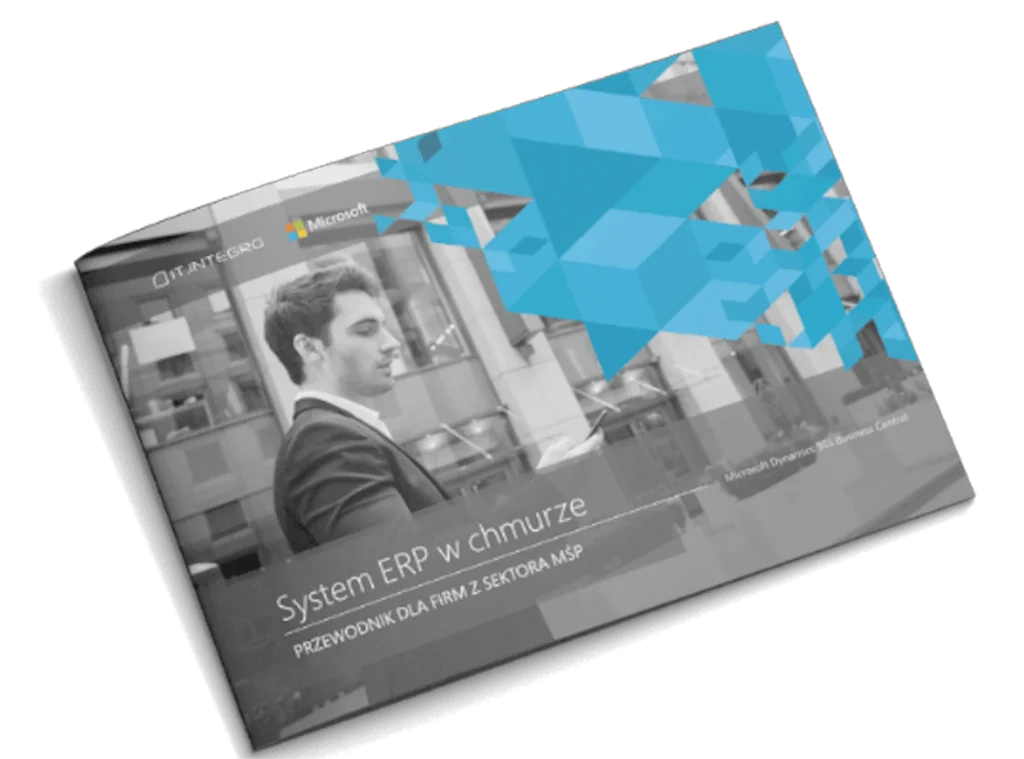

Is ERP worth the investment?
An ERP system implementation is a costly investment and company’s needs must be thoroughly analyzed before any decision is taken. When making the final decision, business owners have to take into account the non-obvious cost of lost profits resulting from the lack of a powerful IT system that would facilitate the digital transformation.

Same licencje to koszt, który stosunkowo łatwo jest określić na samym początku wyceny. Obecnie oprogramowanie klasy ERP jest dostępne w kilku wariantach licencyjnych, a ich wybór zależy od liczby użytkowników. Dla największych organizacji najbardziej korzystna jest inwestycja w licencję z nieograniczoną liczbą użytkowników – z opłatą miesięczną lub dożywotnią. Wybierając licencję dożywotnią, firma ponosi bardzo wysoki koszt początkowy, jednak pozbawia się późniejszego kosztu stałego, jak przy opłacie miesięcznej. Nie każdą organizację jednak na to stać. Płatność miesięczna jest wybierana przez przedsiębiorstwa, które nie mogą sfinansować kosztownej inwestycji.
W ramach licencji miesięcznej klienci mogą również zdecydować się na konkretną liczbę licencji – dla każdego użytkownika nazwanego. Jest to opcja, z której najczęściej korzystają małe oraz średnie przedsiębiorstwa. Przy niskiej liczbie użytkowników bardziej opłaca im się wybrać taki model licencji. Ponadto zniwelowane są wysokie koszty początkowe, a opłaty miesięczne są zależne od liczby użytkowników – proporcjonalnie do wielkości przedsiębiorstwa. Wraz z jego rozwojem liczba licencji może być zwiększana.
Improved control over business processes
Increased availability of products
Supply chain monitoring and cost reductions
Building customer loyalty
Streamlined production planning and improved production efficiency
Accelerated sales and order execution
More optimal use of available resources
Improved efficiency of the workforce
Reduced number of errors and fewer incorrect decision
Effective information flow
Access to up-to-date data
Increased liquidity
Automated processes with the use of workflows
Strengthened cooperation between teams
Enhanced decision making – shorter response times
Return on investment
Enhanced customer service
Support for the company’s growth
Poznaj system ERP z ekspertami
System ERP służy integracji danych organizacji, a za jedną z jego głównych zalet uważa się poprawę wydajności operacyjnej. Eksperci ERP IT.integro odpowiadają, na czym dokładnie polega rola tego rodzaju rozwiązania w przedsiębiorstwie wraz ze wskazaniem jego specyfiki i przybliżeniem zagadnień na temat wdrożenia. Poznaj z nami:
- główne zalety wdrożenia systemu ERP w firmie pod kątem roli różnych użytkowników
- kluczowe funkcjonalności
- różnicę między systemem ERP w chmurze a na serwerach lokalnych
- kiedy warto podjąć decyzję o kupnie systemu.
Rozmowa jest częścią serii poświęconej technologii w biznesie.